Starting a liquidation retail shop or flipping mystery pallets online is one of the fastest ways to build a high-cash-flow retail business. But your profits aren’t made at the cash register—they are made when you buy your inventory.
Finding reliable bin store liquidation suppliers in the USA is the single most critical step in building a sustainable business. If you source low-grade manifest returns filled with broken electronics, your profit margins will vanish. But when you source clean overstock, shelf pulls, and targeted mystery pallets, you can consistently achieve 3x to 5x returns on your capital.
In this operational guide, we will break down how to launch a local bin store or eBay reselling business, calculate accurate margins, and source high-grade bulk inventory.
Quick Answer: How Do Bin Stores Make Money?
Quick Answer Box:
Bin stores purchase bulk liquidation pallets—containing overstock, shelf pulls, or customer returns—at 7% to 15% of estimated retail value. They sell these items in large wooden bins using a descending daily price model (e.g., $10 on Friday down to $1 on Wednesday) to clear inventory rapidly each week.
Featured Snippet: What is a Bin Store Business?
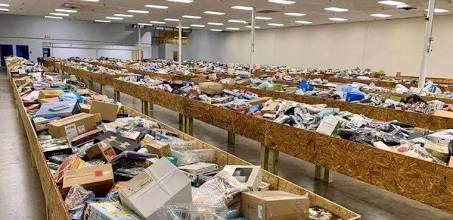
A bin store business is a discount retail model where inventory is dumped into large, open tabletop bins for customers to hunt through. Instead of pricing individual items, bin stores use a daily flat-rate pricing schedule that decreases throughout the week to drive high inventory turnover and liquidate entire truckloads quickly.
5 Steps to Launching a Profitable Bin Store
- Secure Commercial Space: Rent a 2,500–5,000 sq. ft. warehouse or retail storefront with dock access.
- Build Retail Bins: Construct sturdy, waist-height wooden or plastic bins for easy customer browsing.
- Source High-Margin Pallets: Partner with vetted bin store liquidation suppliers in the USA to secure overstock and shelf-pull inventory.
- Establish Your Pricing Schedule: Set a weekly descending price system (e.g., $12 Friday, $8 Saturday, $5 Sunday, $3 Monday, $1 Tuesday).
- Drive Local Traffic: Run visual social media marketing showcasing high-value items hidden in weekly restocks.
The Liquidation Problem: Why Most New Resellers Fail
The liquidation industry is filled with middleman brokers who buy low-quality customer return pallets, extract the high-value items (known as “cherry-picking”), and re-wrap the remaining trash for unsuspecting buyers.
               TRADITIONAL BROKER MODEL (High Risk)
[Big Box Retailer] ➔ [Broker / Cherry Picker] ➔ [Scrap Truckload] ➔ [New Reseller]
                                                                        │
                                                                 (High Trash Rate)

               DIRECT WAREHOUSE MODEL (High Margin)
[Big Box Retailer] ➔ [Direct Liquidation Warehouse] ➔ [Clean Pallet] ➔ [Your Bin Store]
                                                                        │
                                                                 (70%+ Resale Yield)
Common Challenges in Liquidation Sourcing
- Manifest Manipulation: Inaccurate item manifests that exaggerate original retail prices.
- High Trash-to-Treasure Ratios: Customer return pallets containing up to 40% unsellable or broken merchandise.
- Exorbitant Shipping Costs: Freight charges exceeding the actual value of the inventory pallet.
- Supplier Middlemen: Purchasing from brokers who mark up pallets twice before they reach your warehouse door.
- Unpredictable Inventory: Lack of consistency in category mix, making stream forecasting difficult.
Key Benefits of Starting a Bin Store Business
Operating a bin store or bulk reselling operation offers several distinct operational advantages over traditional retail:
Core Business Advantages
- Minimal Merchandising Labor: You don’t need to individually price, tag, or neatly fold inventory—simply open boxes and dump merchandise into bins.
- Rapid Cash Flow: Descending daily price strategies force complete inventory clearance in 5 to 7 days.
- Built-in Urgency: Customers line up around the block on restock days to hunt for $100+ retail items at flat $10 rates.
- Diverse Sales Channels: Unsold items from the bottom of the week can be bundled, lot-sold, or flipped on eBay and Facebook Marketplace.
- High Profit Potential: Sourcing clean closeout inventory pallets in bulk lets you run gross profit margins between 40% and 60%.
High-Margin Categories: What Sells Fastest?
Not all liquidation categories yield equal profits. To maximize sell-through rates, prioritize categories with high perceived value and low return/defect rates.
Profitability Breakdown by Category
| Category | Typical Margin | Sell-Through Rate | Risk Level | Primary Resale Channels |
| Small Appliances | 45% – 60% | High (3–5 days) | Low | Bin Store Restock, Marketplace |
| Health & Beauty | 50% – 70% | Very High (1–2 days) | Very Low | Bin Store Restock, Amazon |
| Tools & Hardware | 40% – 55% | High (2–4 days) | Low | eBay, Local Bin Store |
| Consumer Electronics | 30% – 50% | Medium (Untested) | High | Resale Online, Tech Flipping |
| Apparel & Textiles | 60% – 80% | Slow (7+ days) | Medium | Clearance Days, Poshmark |
Sourcing Master Guide: How to Buy Liquidation Pallets
Sourcing resale business wholesale inventory requires a clear evaluation checklist before sending payment wire transfers.
Sourcing Checklist: What to Look For
- Manifested vs. Unmanifested: Prefer manifested overstock pallets when selling online; unmanifested mystery pallets are fine for bin store restocks if purchased at low per-pallet prices.
- Inventory Condition Grades:
- NIB (New in Box): Factory sealed, highest yield.
- Overstock / Shelf Pulls: Box wear or price tags present, near-zero defect rate.
- Customer Returns: Require testing; expect a 20–30% defect rate.
- Freight Cost Ratios: Keep shipping costs under 15–20% of total pallet cost by sourcing from nearby distribution hubs.
- Supplier Transparency: Ensure your provider owns their physical warehouse inventory rather than re-brokering listings.
Common Sourcing Mistakes to Avoid
- Buying Heavy Freight Far Away: Paying $500 in shipping for a $600 pallet destroys your profit margins immediately.
- Ignoring Box Count: Focusing only on MSRP values rather than the actual unit count per pallet.
- Relying Solely on Customer Returns: Running a bin store exclusively on raw returns leads to customer dissatisfaction on restock days.
Why Choose LiquidationWarehouse.net?
When sourcing inventory through Liquidation Warehouse, you work directly with a dedicated distributor rather than an anonymous middleman network.
Sourcing Advantages
- Direct Sourcing: We source directly from major US big-box retailers to ensure authentic inventory.
- No Middleman Markup: Buying straight from warehouse floor stock saves you 20% to 35% per pallet.
- Clean Overstock Focus: High ratio of shelf pulls and overstock merchandise versus unvetted raw returns.
- Nationwide Freight Assistance: Strategic shipping partnerships keep freight costs predictable across the continental USA.
- Transparent Manifesting: What you see on the manifest is what arrives on your loading dock.
Pros and Cons of the Bin Store Business Model
Pros
- High daily sales volume during restock days.
- Lower labor overhead compared to traditional retail tagging.
- High customer retention driven by the excitement of treasure hunting.
- Flexibility to cross-list high-value items on online channels.
Cons
- Physical inventory handling requires space and pallet jacks.
- Weekly inventory fluctuations demand consistent cash flow management.
- Handling customer returns requires testing and sorting workflows.
Key Takeaways
- Profitability starts at sourcing: Your success depends on finding vetted bin store liquidation suppliers in the USA.
- Prioritize overstock: Mix shelf pulls and overstock with customer returns to protect product quality.
- Target high-velocity items: Focus on Health & Beauty, Small Appliances, and Hardware tools for fast cash turnaround.
- Control freight overhead: Calculate shipping charges per unit before placing orders.
Frequently Asked Questions (FAQs)
How much capital do I need to start a bin store?
Most independent bin stores launch with $15,000 to $35,000 in capital. This covers initial commercial lease deposits, bin construction materials, POS systems, and 2 to 4 truckloads of initial inventory.
What is the difference between shelf pulls and customer returns?
Shelf pulls are items removed from store shelves to make room for new inventory—they are typically unused and in original packaging. Customer returns are items brought back by buyers, which may be opened, used, or slightly damaged.
How do I calculate profitability on a mystery liquidation pallet?
Divide the total pallet cost (including shipping) by the total estimated usable units to find your average cost per unit. Compare this against your minimum flat bin price (e.g., $10 on restock day) to ensure a minimum 3x markup.
Where can I buy wholesale closeout inventory pallets in bulk?
You can buy closeout inventory pallets in bulk directly from wholesale suppliers like Liquidation Warehouse, offering direct freight access across the USA.
What equipment do I need to receive liquidation pallets?
You will need a pallet jack, box cutters, a warehouse staging area, and ideally a loading dock or a liftgate delivery truck for home/small-warehouse unloading.
Summary
Starting a bin store or online reselling store is a proven retail model when powered by reliable sourcing. By focusing on clean overstock, understanding your freight costs, and partnering with verified bin store liquidation suppliers in the USA, you can build a high-margin business with repeatable weekly cash flow.
Ready to load your bins with high-profit inventory? Explore available manifests, secure bulk overstock truckloads, and start building your resale business today with Liquidation Warehouse.