
Fourth-quarter ecommerce sales represent up to 40% of annual revenue for retail and online resellers. However, rising inventory acquisition costs and supply chain bottlenecks can quickly erode your bottom line if you rely solely on traditional wholesale channels.
Sourcing Christmas liquidation pallets in the USA offers an aggressive shortcut to high margins. Major retailers like Target, Walmart, Home Depot, and Amazon clear out millions of dollars in excess holiday decor, lighting, and seasonal housewares every cycle.
By acquiring these liquidation lots early, smart resellers flip high-demand holiday merchandise for 3x to 5x their purchase price. This comprehensive guide breaks down everything you need to know to secure reliable holiday inventory, maximize profit margins, and beat the Q4 reseller rush in 2026.
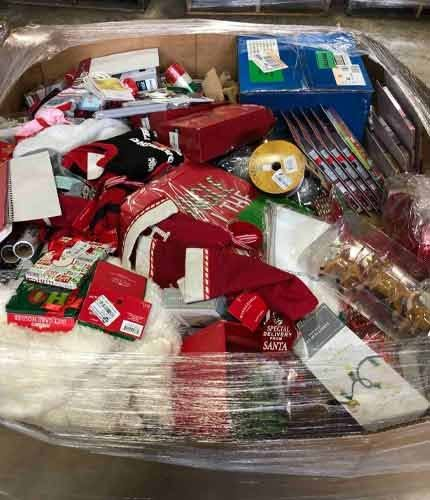
The Q4 Reseller Problem: Sourcing High-Margin Holiday Inventory
Finding profitable merchandise right before the holiday surge is one of the toughest challenges in retail reselling.
Common Industry Roadblocks
- Inflated Wholesale Prices: Traditional distributors raise prices during peak demand seasons, compressing retail margins down to 15–20%.
- Unreliable Suppliers: Sourcing from unverified liquidators often leads to manifest discrepancies, broken merchandise, or delayed freight delivery.
- Late Inventory Arrival: Ordering seasonal stock too late in Q3 or Q4 leaves you stranded with unsold holiday items once January hits.
- Low Quality Customer Returns: Purchasing unvetted return lots without understanding manifest conditions can drain your capital into unsellable junk.
Benefits of Buying Christmas Liquidation Pallets in Bulk
- Unbeatable Profit Margins: Liquidation inventory sells for 10% to 30% of original estimated retail value (ERV), giving you substantial pricing leverage.
- High Seasonal Velocity: Christmas merchandise turns over faster than almost any other product category between October and December.
- Diverse Product Mix: A single mixed holiday pallet typically contains high-demand items across multiple sub-categories, spreading your sales risk.
- Brand-Name Inventory: Access excess stock from premier US big-box stores that consumers already know and trust.
- Scalable Business Model: Purchasing multi-pallet lots or full truckloads allows you to scale your reselling operation smoothly from a home garage to a dedicated warehouse.
Understanding Liquidation Grades: Shelf Pulls, Overstock & Customer Returns
Knowing the exact condition of the inventory on a pallet is the single most important factor in securing a profitable deal.
+-------------------------------------------------------------------------------+
|                        LIQUIDATION INVENTORY TYPES                            |
+-------------------------------------------------------------------------------+
|  1. OVERSTOCK        --> 100% Unused, pristine packaging, highest margins     |
|  2. SHELF PULLS      --> Store-removed, minor price tags, ready to resell    |
|  3. CUSTOMER RETURNS --> Mixed condition, requires testing, lowest unit cost  |
+-------------------------------------------------------------------------------+
1. Overstock (Grade A)
Overstock consists of surplus items that never reached the sales floor. Big-box retailers over-order for Q4 and liquidate surplus warehouse stock to clear floor space.
- Condition: Brand new, unopened factory packaging.
- Resell Readiness: 100% ready for immediate listing on eBay, Amazon, Poshmark, or local marketplaces.
- Defect Rate: Less than 1–2%.
2. Shelf Pulls
Shelf pulls are products that were displayed on retail store shelves but removed to make room for new inventory cycles.
- Condition: Unused, but packages may show minor handling wear, price stickers, or clearance tags.
- Resell Readiness: Very high; minimal cleaning or price sticker removal required.
- Defect Rate: 2–5%.
3. Customer Returns
Customer return pallets contain items returned by retail buyers. In seasonal categories, many returns happen simply because customers changed their minds or over-bought for an event.
- Condition: Ranges from brand-new items with open boxes to lightly used or missing original packaging.
- Resell Readiness: Requires sorting, testing (especially electronics and light strings), and repackaging.
- Defect Rate: 15–25%.
High-Demand Christmas Liquidation Categories
Holiday inventory is diverse. Focusing on categories with consistent market demand ensures rapid inventory turnover.
+--------------------------------------------------------------------+
|                   TOP HOLIDAY MERCHANDISE CATEGORIES               |
+--------------------------------------------------------------------+
|  [LED Lighting]      - C9 Spools, Smart Strings, Solar Icicles     |
|  [Artificial Trees]  - Pre-Lit 6-9ft, Flocked Pines, Pop-Up Trees    |
|  [Outdoor Inflatables]- Giant Santas, Animated Yard Displays        |
|  [Festive Housewares] - Table Runners, Stoneware Mugs, Ornaments   |
+--------------------------------------------------------------------+
Key Product Categories to Target
- LED String & Lawn Lighting: C7/C9 commercial light spools, curtain lights, solar icicle sets, and smart App-controlled RGB light strings.
- Artificial Christmas Trees: Pre-lit LED fir trees, flocked pines, pencil trees, and pop-up decorative trees (high unit resale value).
- Outdoor Inflatable & Lawn Decor: 6ft–12ft blow-up characters, laser projection units, lighted wire sculptures, and nativity displays.
- Festive Housewares & Decor: Christmas table runners, holiday stoneware mugs, tree skirts, hand-painted ornaments, and garland.
- Wrap & Storage Solutions: Gift wrapping rolls, ornament storage bins, tree bags, and decorative ribbon spools.
Profit Margin Comparison: Grade A Overstock vs. Customer Return Lots
To choose the right pallet for your business strategy, compare cost structures and yield metrics:
| Metric / Parameter | Grade A / Shelf Pull Overstock | Customer Return Lots |
| Average Cost per Pallet | $600 – $1,200 | $250 – $550 |
| Percentage of Retail Price | 20% – 30% of ERV | 8% – 15% of ERV |
| Item Processing Time | Minimal (1–2 hours per pallet) | High (4–8 hours testing/sorting) |
| Average Resale Yield | 85% – 95% sellable items | 65% – 75% sellable items |
| Typical Profit Margin | 45% – 60% NET | 60% – 80%+ NET (after labor) |
| Best Resale Channels | Amazon FBA, eBay, Retail Storefront | Facebook Marketplace, Flea Markets, Bin Stores |
Ultimate Buyer’s Guide: How to Buy Christmas Liquidation Pallets Safely
Navigating the wholesale liquidation space successfully requires strict due diligence. Use this blueprint before placing your first freight order.
What to Look For
- Manifested vs. Unmanifested: Always check if the pallet has a line-by-line item manifest listing item descriptions, UPCS, and estimated retail values.
- Freight & Shipping Costs: Factor liftgate fees, residential delivery surcharges, and regional freight rates into your land cost calculations.
- Fulfillment Partner Credentials: Partner with vetted liquidation warehouses with physical facilities and clear inspect-and-ship protocols.
Common Mistakes to Avoid
- Buying Unmanifested Returns as a Beginner: Unmanifested return lots carry higher risk and require experience in testing and refurbishing electronics.
- Ignoring Seasonal Timelines: Waiting until November to order pallets leaves insufficient processing and shipping time for peak holiday buyers.
- Overestimating Individual Item Values: Base your expected selling prices on historical ebay “Sold Items” data rather than original MSRP.
Expert Recommendations
- Pre-Sell Early: Start listing evergreen Christmas goods (like string lights and storage totes) as early as late September.
- Bundle Related Items: Combine smaller decor items, tree skirts, and ornament sets into themed bundles to increase your Average Order Value (AOV).
- Test All Electricals: Use a quick plug-in testing bench to verify pre-lit trees and light strands before listing them as functional.
Cost Expectations & Budgeting
- Single Pallet Starter Budget: $500 – $1,000 (including local freight shipping).
- Multi-Pallet LTL Freight Budget: $2,000 – $5,000 (lower shipping cost per unit).
- Full Truckload (FTL) Budget: $12,000 – $25,000 (highest profit potential for established operators).
Why Choose Liquidation Warehouse for Holiday Inventory?
When sourcing seasonal liquidation stock, consistent product quality and honest manifests are critical. Here is why top US resellers rely on Liquidation Warehouse:
- Direct Big-Box Sourcing: Contracts with top US retail chains guarantee genuine overstock and shelf pulls.
- Accurate Manifesting: Real-time piece counts and itemized manifests mean no surprises when your freight arrives.
- Nationwide Freight Shipping: Discounted LTL shipping rates keep your landed cost per unit as low as possible.
- No Middleman Markup: Direct-from-source wholesale pricing protects your profit margins.
- Dedicated Account Support: Expert support teams help you pick the right pallet loads tailored to your specific sales channel.
Pros and Cons of Buying Seasonal Liquidation Pallets
Pros
- Access to major store brands at a fraction of original retail costs.
- High reseller demand during the October–December shopping boom.
- Massive profit potential when selling on local marketplaces or e-commerce platforms.
- Ability to stock up on inventory well ahead of peak seasonal supply shortages.
Cons
- Seasonal inventory must be cleared quickly to avoid holding costs into Q1.
- Return lots require manual sorting, cleaning, and testing.
- Freight shipping costs require upfront capital planning.
Key Takeaways
- Buy Early: Order your Christmas liquidation pallets between June and September to ensure inventory is processed and listed before October.
- Grade Selection Matters: Choose Grade A Overstock for fast automated listing on Amazon/eBay or Return Lots for high-margin bin stores and local sales.
- Calculate Landed Cost: Always include freight costs when determining your target ROI for a pallet purchase.
- Stick to Manifested Lots: Reduce risk by buying manifested pallets from trusted wholesale sources like Liquidation Warehouse.
Frequently Asked Questions (FAQs)
1. What is the best month to buy Christmas liquidation pallets in the USA?
The optimal window to buy Christmas liquidation pallets is between July and October. Purchasing during late summer and early autumn ensures your inventory arrives, gets processed, and goes live before holiday shoppers begin purchasing in October and November.
2. Are customer return Christmas pallets profitable?
Yes, customer return pallets offer high profit margins (often exceeding 70–80%) because their initial purchase cost is very low. However, you must account for testing time and a 15–20% unsellable defect rate.
3. How much does a Christmas liquidation pallet cost?
A single Christmas liquidation pallet generally ranges from $300 to $1,200, depending on whether the lot consists of customer returns, shelf pulls, or pristine Grade A overstock. Shipping costs vary based on your distance from the warehouse location.
4. Can I buy target Christmas clearance pallets online?
Yes! You can purchase target Christmas clearance and overstock pallets online through authorized liquidation distributors like Liquidation Warehouse. Search for manifested lots to see exact item lists before purchasing.
5. How are Christmas liquidation pallets shipped to my location?
Pallets are shipped via Less-Than-Truckload (LTL) or Full Truckload (FTL) freight carriers. Deliveries can be made to commercial warehouses with loading docks or residential addresses equipped with liftgate trucks.
Summary & Action Plan
Sourcing Christmas liquidation pallets in the USA is one of the most reliable ways for resellers to lock in high-margin inventory ahead of the holiday rush. By understanding the differences between overstock, shelf pulls, and customer returns, you can select the exact inventory type that aligns with your fulfillment strategy and profit targets.
Don’t wait until the Q4 rush drives up freight costs and shrinks inventory availability. Partner with an industry-leading liquidator to secure your holiday stock today.
- Browse Direct Liquidation Lots: Visit Liquidation Warehouse to explore current manifested pallets.
- Order Early: Lock in your freight delivery before peak carrier surcharges take effect.
- Maximize Holiday Sales: Turn bulk seasonal liquidation into maximum Q4 profits!