
Quick Answer: What Are Post Christmas Liquidation Sales?
Post Christmas liquidation sales are wholesale liquidation events where major retailers sell off excess holiday inventory, shelf pulls, and customer returns in bulk pallets or truckloads at 70% to 90% below original retail prices. Smart resellers acquire this inventory in January to maximize profit margins for year-round re-selling or next season’s holiday rush.
Post-Holiday Sourcing at a Glance
| Strategy Component | Key Metric / Detail |
|---|---|
| Typical Discounts | 70% to 90% off original MSRP |
| Peak Buying Window | December 26 – February 15 |
| Primary Inventory Types | Seasonal decor, electronics, toys, apparel, small appliances |
| Target Profit Margins | 45% to 65% net margin after storage & fees |
| Top Resale Outlets | eBay, Amazon FBA, Poshmark, Local Flea Markets, Liquidation Storefronts |
Why January Is the Golden Window for Bulk Inventory
Every year on December 26, major retailers face an urgent logistics problem: thousands of square feet of shelf space are packed with unsold holiday stock, while truckloads of January customer returns begin flooding back into distribution centers.
To clear floor space for spring inventory, retailers offload this stock through discounted seasonal truckload liquidations and bulk pallet auctions.
For wholesale buyers, e-commerce sellers, and flea market vendors, this post-holiday surge represents the single highest-margin sourcing event of the entire year. By partnering with direct b2b holiday clearance suppliers in the USA, you can secure top-tier merchandise at pennies on the dollar.
Key Benefits of Buying Post-Christmas Overstock
- Extreme Profit Margins: Buying at 10% to 30% of wholesale value leaves massive head room for 50%+ profit margins, even after shipping and holding costs.
- High-Demand Brand Name Products: January return lots frequently feature premium electronics, popular kitchen appliances, and high-end apparel.
- Unused Case-Packed Stock: A significant portion of post-holiday inventory consists of clean, untouched shelf pulls in original retail packaging.
- Diversified Resale Channels: Sell evergreen items year-round on Amazon or eBay, while storing seasonal decor for massive late-Q3 returns.
- Predictable Annual Cycle: Retail closeouts follow a strict calendar, letting you schedule cash flow and inventory turnover predictably year after year.
Step-by-Step Buying & Flipping Strategy
1
Determine Your Budget & Storage Capacity
Week 1 – Late December
1.Determine Your Budget & Storage Capacity:Week 1 – Late December.
Assess your available warehouse space or climate-controlled storage before purchasing. Calculate freight costs and factor in holding costs if you plan to hold seasonal items until the next holiday cycle.
2
Source Quality Pallets from Verified Suppliers
Week 2 – Early January
2.Source Quality Pallets from Verified Suppliers:Week 2 – Early January.
Browse available manifest files on Liquidation Warehouse to inspect item counts, estimated retail values, and condition grades (Overstock vs. Customer Returns).
3
Manifest Audit & Sorting
Upon Arrival
3.Manifest Audit & Sorting:Upon Arrival.
Unpack pallets immediately. Separate items into three tiers: Pristine (Ready for Amazon/eBay), Minor Box Damage (Discounted Resale/Local Sales), and Salvage/Parts.
4
Calculate True Landed Cost & Flipped Margins
Processing Phase
4.Calculate True Landed Cost & Flipped Margins:Processing Phase.
Apply the formula: (Pallet Cost + Freight Cost + Storage Cost) / Viable Units = True Unit Cost. Set prices to ensure at least a 3x return on investment (ROI).
Buying Guide: Sourcing January Return Pallets Like a Pro
What to Look For
- Manifest Accuracy: Look for manifests that clearly list UPCs, product titles, and estimated retail values.
- Condition Ratings: Prioritize “New Overstock” and “Shelf Pulls” for quick turnarounds; choose “Uninspected Returns” for deeper discounts if you can repair or test goods.
- Freight Density: Opt for dense, stackable merchandise (like electronics or small goods) to minimize shipping costs per unit.
Common Mistakes
- Ignoring Freight Costs: A $300 pallet can easily cost $400 in shipping if you don’t calculate freight before bidding or purchasing.
- Underestimating Storage Costs: Holding seasonal Christmas lights for 10 months without factoring storage fees will quickly erode profits.
- Failing to Test Returns: Listing unchecked electronics as “New” leads to customer returns, chargebacks, and account suspensions on marketplaces.
Expert Recommendations
- Mix Immediate Turnarounds with Long-Term Holds: Sell non-seasonal returns (appliances, audio gear) immediately for cash flow, while storing holiday-specific decor for Q4 peak prices.
- Build Local Resale Outlets: Use Facebook Marketplace, OfferUp, and local flea markets to clear open-box or bulky items without paying online platform fees.
Safety & Inspection Considerations
- Always test electrical products before re-listing to prevent safety hazards.
- Sanitize all opened soft goods and inspect plush toys or clothing for original tags.
Cost Expectations
- Individual Mixed Pallets: $300 – $1,200 depending on category and MSRP value.
- Full Truckloads (24–26 Pallets): $7,500 – $22,000 including freight savings per pallet.
Calculating Holding Costs vs. Flipped Margins
When you buy overstock christmas inventory in bulk, you will encounter two primary inventory categories: Evergreen Goods and Seasonal Goods.
Single Unit Margin Calculation:

Original Retail Value:  $100.00
Liquidation Purchase Price (15%): $15.00
Allocated Freight Fee:            $4.00
10-Month Storage Cost ($0.50/mo): $5.00
-----------------------------------------
Total Landed Unit Cost:           $24.00

Resale Price (Next November):     $75.00
Platform Fees (15%):              $11.25
-----------------------------------------
Net Profit Per Unit:              $39.75 (165% ROI)
Holding seasonal inventory for 9 to 10 months requires discipline, but as demonstrated above, acquiring top-tier decor at 85–90% off leaves plenty of margin for storage overhead while yielding exceptional returns.
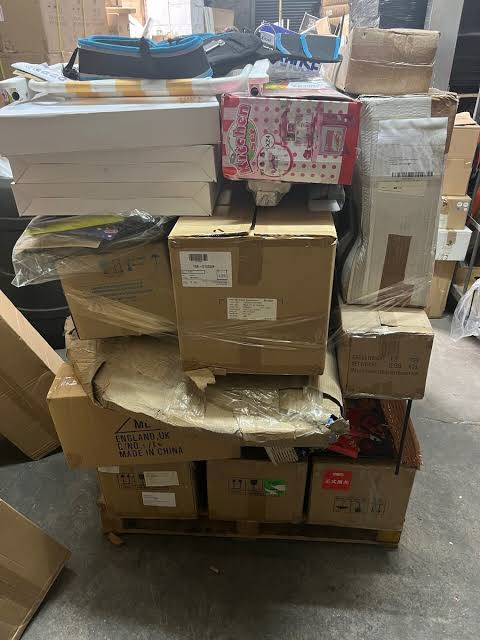
Why Choose Liquidation Warehouse?
- Direct Retail Contracts: We partner directly with major US department stores and online retailers, cutting out middleman markups.
- Fully Manifested Lots: Know exactly what you are purchasing with detailed unit counts, MSRPs, and descriptions.
- Nationwide Freight Discounting: Leverage our bulk shipping rates to get the lowest possible freight charges delivered directly to your dock or driveway.
- Diverse Inventory Categories: From january customer return pallets holiday merchandise to home goods and consumer electronics, we stock all major categories year-round.
- Transparent Grading Standards: Clear, honest condition definitions so you never get surprised by scrap-quality inventory.
Pros and Cons of Post-Holiday Liquidation Buying
Pros
- Access to rock-bottom wholesale prices (up to 90% off retail).
- High volume of premium brand products in peak post-holiday weeks.
- Substantial profit margins for patient, strategic sellers.
- Steady pipeline of fresh inventory throughout January and February.
Cons
- Requires dedicated physical space for pallet storage and processing.
- Uninspected return lots carry a 10–20% scrap/salvage rate.
- Seasonal items require capital tie-up until late in the year.
Key Takeaways
- Act Fast in January: Retailers clear out holiday stock immediately after Christmas—the best deals disappear by late February.
- Calculate Landed Costs: Factor in freight, handling, and potential holding costs before placing your orders.
- Diversify Your Sales Outlets: Combine local cash sales for bulky open-box items with online listings for high-margin, brand-name goods.
- Partner with Trusted Suppliers: Source manifested loads from reputable suppliers like Liquidation Warehouse to protect your investment.
Frequently Asked Questions
What are post Christmas liquidation sales?
Post Christmas liquidation sales are wholesale clearances where distributors and retailers sell excess holiday stock, overstock merchandise, and post-holiday returns in bulk pallets at discounts of up to 90% off original retail prices.
What is the difference between shelf pulls and customer returns?
Shelf pulls are unsold items removed from store shelves that remain in new condition with retail packaging. Customer returns are items brought back by buyers after Christmas, which may range from open-box pristine to used or damaged condition.
How much money do I need to start buying liquidation pallets?
You can start buying individual january customer return pallets for as little as $300 to $800, plus shipping. Full truckload purchases typically require an investment starting around $7,500.
Is holding holiday inventory until next year profitable?
Yes. Buying seasonal inventory in January at 80%–90% off retail easily compensates for minor storage costs, allowing you to re-sell the items at near-full price during the following October–December holiday season.
Where can I buy verified holiday clearance truckloads in the USA?
You can order verified, manifested clearance pallets and full truckloads online through direct US B2B liquidators like Liquidation Warehouse.
Summary
- Post-holiday liquidation offers the highest profit potential of the year for secondary market resellers.
- Buying in January grants access to deep discounts on overstock Christmas inventory and high-value customer returns.
- Auditing manifests, managing freight expenses, and understanding holding costs ensure maximum profitability.
- Ready to source your next profitable lot? Browse Liquidation Warehouse Collections Today to lock in top-tier pallets before seasonal stock sells out!